
A renovation reaches final payment and the crew leaves. The one-year workmanship correction period passes without major issues. Eighteen months later a section of flooring cups, a shower begins to show moisture at the edge of the curb, or a cluster of cabinet doors shifts out of alignment. The contractor’s contractual correction window has closed. The manufacturer’s material warranty may or may not respond. The homeowner is left asking what, if anything, remains enforceable.
Latent defects—problems that were not reasonably discoverable at the time of final walkthrough—sit in a different legal and practical category from ordinary punch-list items. The contractual warranty may have expired. Longer remedies under state law or under the original quality obligations in the contract may still exist. Whether those remedies are usable depends heavily on the records preserved from the project and on how quickly the issue is documented once it appears.
Warranty Expiration Versus Longer Obligations
Most residential contracts contain a short correction period, commonly one year from substantial completion, during which the contractor agrees to return and repair defective workmanship. Once that period ends, the contractor’s voluntary obligation to correct usually ends with it.
Separate from the correction period is the broader promise that the work was performed in accordance with the contract and in a workmanlike manner. In many jurisdictions that quality obligation can support a breach-of-contract claim for a longer period—often measured by the state’s statute of limitations for written contracts, which may run three to six years or more from the date of substantial completion or from when the defect was discovered or should have been discovered. Some states also recognize statutes of repose that set an absolute outer limit on construction claims regardless of discovery.

These longer periods are not automatic warranties. They are potential legal claims that require proof of the original standard, proof of the defect, and proof of causation. They are also subject to whatever limitations or disclaimers the contract contains. A contract that expressly limits all remedies to the one-year correction period and disclaims other warranties narrows the remaining path. A contract that preserves a broader quality obligation leaves more room.
Manufacturer warranties on specific products—windows, roofing, appliances, waterproofing membranes—operate on their own terms and timelines. They typically cover the product itself, not the labor to remove and replace it. When a product fails after the contractor’s correction period, the homeowner often faces both a material claim against the manufacturer and a separate labor cost that may no longer be recoverable from the GC.
The Records That Still Matter Years Later
A latent-defect claim is only as strong as the evidence that the work was defective relative to what was required. The most useful materials are those created during the project:
The signed contract and detailed scope of work
Drawings or specifications that defined the required assemblies
Dated progress photographs showing the condition of substrates, waterproofing, framing, or mechanical installations before they were covered
Inspection reports and permit records
Written change orders and payment records
The final punch list and any correspondence about remaining items
Photographs of open walls, waterproofing layers, and rough mechanicals are especially valuable. A claim that a shower was never properly waterproofed is far easier to support with contemporaneous images of the membrane installation than with speculation after tile is in place. The documentation system built during the project becomes the primary resource once the work is no longer visible.
Keep the project file beyond the correction period. Digital folders and a simple physical archive of key paper documents cost little to retain and can matter years later.
Practical Steps When a Latent Issue Appears
Document the condition immediately with dated photographs and a clear written description of when it was first noticed and how it has progressed. Notify the original contractor in writing even if the contractual correction period has expired. Some contractors will still respond as a matter of reputation or ongoing relationship. The notice also starts a paper trail.
Review the original contract for any surviving warranty language, limitation periods, or notice requirements. Check applicable manufacturer warranties and file claims promptly where they apply. Consult the permit and inspection history to determine whether the relevant work was ever inspected and approved.
If the defect is significant and the contractor does not respond, the next evaluation is whether a longer legal claim remains viable under state law. That analysis depends on the specific contract language, the jurisdiction’s statutes of limitation and repose, and the strength of the contemporaneous evidence. It is not a step to be taken lightly or without professional advice when the amounts are material.
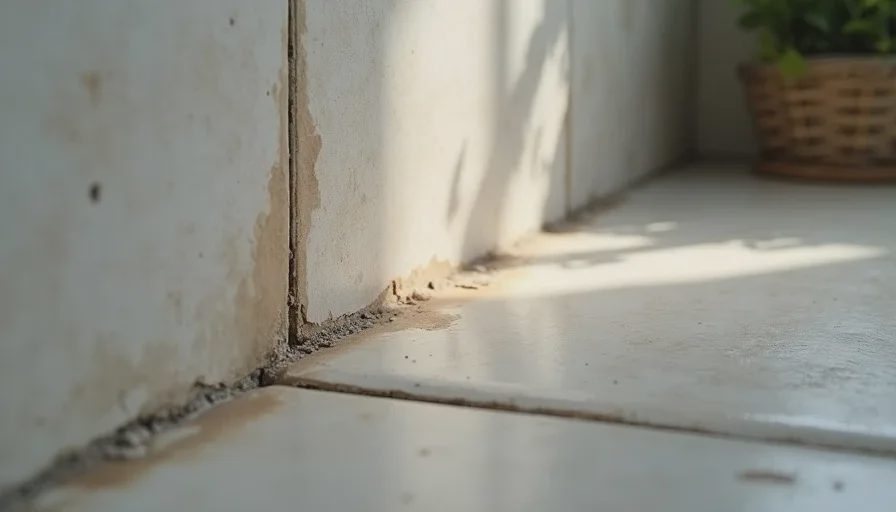
Prevention That Extends Beyond the Warranty
The strongest protection against latent defects is the quality of the original work and the clarity of the original documents. A precise scope, proper inspections, systematic photography of concealed assemblies, and a contractor who accepts responsibility for code-compliant, workmanlike installation reduce the frequency of later surprises. No process eliminates every risk. A disciplined project simply leaves the homeowner in a better position when a problem surfaces after the crew has long departed.
Final payment and the expiration of the correction period close one chapter. They do not erase the underlying obligation to have performed the work as promised, nor do they eliminate the value of the records created while the work was visible. Homeowners who preserve those records and who understand the difference between a short contractual callback window and longer potential remedies retain more options when latent issues appear. The time to prepare for that possibility is during the project, not after the defect has already announced itself.