
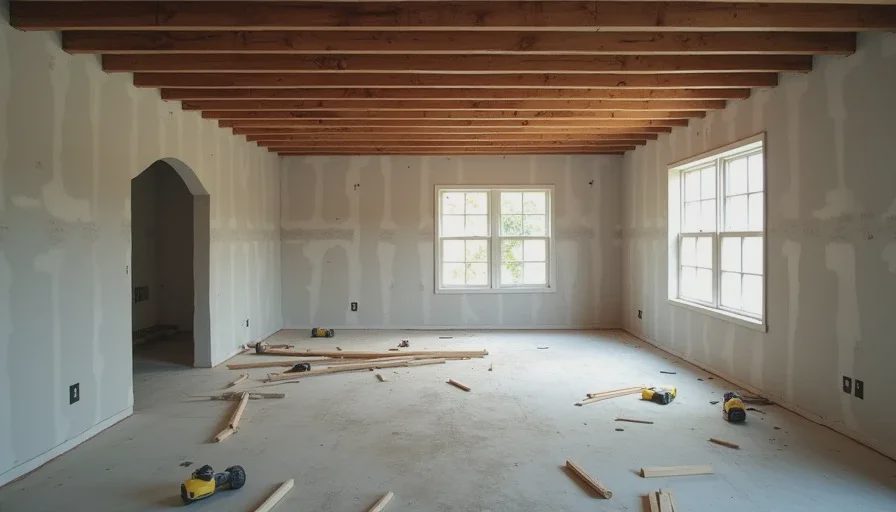
A renovation is several weeks underway. The crew arrives late most days. Floor protection that was installed in the first week has been pulled up and not replaced. Dust from demolition has settled on finished surfaces in adjacent rooms. Emails requesting a schedule update go unanswered for days. Small quality issues—uneven tile spacing, a cabinet door that does not align—are dismissed with “we’ll fix it at the end.” None of these problems is catastrophic on its own. Together they form a pattern that often precedes larger disputes over cost, schedule, and final quality.
Most serious renovation problems do not appear suddenly at the final walkthrough. They announce themselves earlier through observable patterns in how the site is managed, how the crew operates, and how the contractor communicates. Recognizing those patterns while leverage still exists is more useful than documenting them after the work is complete and the final payment has been released.
Site Condition and Protection
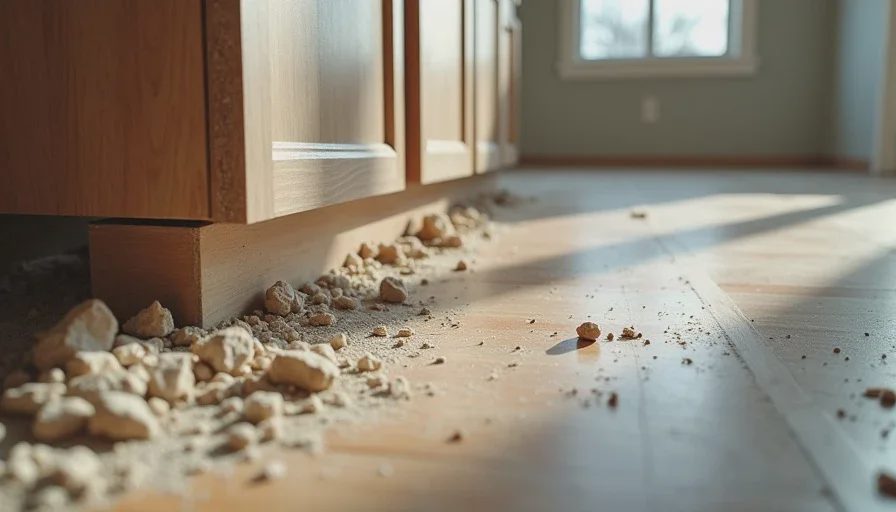
A well-managed residential site maintains basic order and protects finished or adjacent areas. Persistent absence of floor protection, plastic barriers, or dust control after the first few days is an early indicator of weak supervision. Materials stored in weather-exposed or high-traffic locations without cover suggest either poor planning or insufficient regard for the homeowner’s property.
Walk the site regularly. Photograph conditions that deviate from reasonable standards—unprotected floors, open containers of finish materials left overnight, debris accumulating in areas that should remain clean. These images become useful if a later claim arises for damage to existing finishes or for excessive cleaning costs.
A contractor who treats the house as a temporary workshop rather than an occupied or soon-to-be-occupied home is signaling a priority order that may not align with the homeowner’s interests.
Crew Consistency and Supervision
Frequent changes in the faces appearing on site, long gaps between work days, or the extended absence of any supervisory presence raise practical questions. Residential projects of ordinary complexity benefit from a consistent crew that understands the specific scope and a superintendent or lead carpenter who appears often enough to catch problems before they are buried.
Ask directly who is responsible for daily quality and sequencing. If the answer is vague or if the named person is rarely present, the risk of coordination failures and rework increases. Note the dates when the site is inactive without explanation. Patterns of unexplained downtime often correlate with later schedule claims that attribute every slip to external causes.
Communication Patterns
Responsive contractors answer factual questions about schedule, material status, and upcoming inspections within a reasonable time. Persistent silence, answers that change without explanation, or a pattern of promising updates that never arrive are early indicators of avoidance.
When communication deteriorates, shift important matters into written form. A short email that restates a verbal commitment or that requests a specific recovery plan creates a record. If the contractor continues to avoid written responses, that behavior itself becomes part of the documented pattern.
Requests for change-order pricing that go unanswered for extended periods while the extra work proceeds are particularly significant. Once the work is complete, the homeowner’s ability to negotiate the price or to reject the extra declines sharply.
Quality Indicators Visible Mid-Project
Certain defects are easier and cheaper to correct before the next layer of work conceals them. Uneven tile spacing, misaligned cabinetry, incomplete waterproofing details, or electrical boxes set at inconsistent heights are visible during installation. A contractor who discourages mid-project observation or who repeatedly defers correction with “it will be fixed in the punch list” is compressing all quality control into the final days, when leverage is lowest and schedules are tightest.
Photograph conditions that appear deficient at the time they are observed. Raise the issue in writing while the work is still accessible. A measured request for correction before the next phase begins is more effective than a long list of items presented only at substantial completion.
Measured Responses That Preserve Options
The goal of early recognition is not to create conflict. It is to keep the project on a recoverable path while contractual tools still function.
Document the specific observations with dates and photographs. Send a concise written notice that identifies the issues and requests a response by a stated date—updated schedule, correction plan, or explanation. Keep the tone factual.
If payment milestones are tied to completed and inspected work, withhold the corresponding draw until the documented problems are addressed or a clear plan is agreed. Releasing funds for incomplete or deficient work reduces the incentive to correct it.
If the pattern continues and the contract contains notice-and-cure provisions, formal written notice of default may become appropriate. This step should be taken deliberately and, when the amounts at stake are significant, after reviewing the contract language carefully.

Preventive Habits
Schedule regular, short site visits at consistent intervals. Maintain a simple dated log of observations. Photograph the same key areas over time. Confirm important verbal statements in writing the same day. Treat repeated small failures of protection, communication, or quality as data rather than isolated annoyances.
Most contractors who run disciplined projects display consistent site order, predictable communication, and a willingness to address visible issues before they are covered up. Projects that drift into disorder, silence, and deferred corrections rarely correct themselves at the end. The homeowner who notices the pattern early retains the ability to demand a recovery plan, to adjust payment timing, and to document the facts while they are still visible. Waiting until the final walkthrough converts early warning signs into finished defects and a much harder negotiation.