

A homeowner signs a $58,000 contract for a kitchen and laundry renovation. The scope is detailed. Demolition begins. Behind a wall the crew finds knob-and-tube wiring and water-damaged framing that the pre-construction inspection did not catch. The GC issues a change order for $9,400. The contract contains a single sentence: “Unknown conditions will be handled by change order.” No unit prices, no markup limit, no cumulative cap, and no requirement for written approval before the work proceeds. The homeowner has little practical ability to push back without stopping the job.
This sequence is routine. Residential renovations almost always encounter conditions that differ from the drawings or the visible state of the house. The difference between a manageable adjustment and a budget crisis is determined by the change-order language written into the original contract. Most homeowner contracts treat change orders as an afterthought. Better contracts treat them as a controlled process with pre-defined rules.
Why Open-Ended Change-Order Clauses Fail
An open clause that simply authorizes change orders for “unforeseen conditions” or “owner-requested changes” leaves three variables completely undefined: price, process, and cumulative impact.

Price is the most immediate problem. Without pre-agreed unit rates or a stated maximum markup, the GC can price the extra work at whatever rate the market or the moment will bear. A $180 drywall repair can become a $650 line item once overhead, profit, and “coordination” are added. A markup of 15–20 percent on subcontracted or self-performed extra work is common and generally accepted. Markups of 35–50 percent appear when the contract is silent.
Process is the second failure point. If the contract does not require written authorization before the extra work begins, the crew can complete the work and present the cost afterward. At that stage the homeowner’s only options are to pay or to dispute a fait accompli. Requiring a written change order—signed by both parties—before the work starts restores control.
Cumulative impact is the long-term risk. A series of individually reasonable change orders can still push the final cost 20–30 percent above the original contract. Without a stated threshold that triggers further negotiation or owner approval rights, the budget simply drifts.
Practical Structures That Limit Exposure
Effective residential contracts address change orders in three layers.
First, require written authorization. No extra work proceeds until both parties sign a change-order form that states the scope, the price or the unit rate, and the effect on the schedule. Verbal direction is not sufficient. This single rule prevents most after-the-fact surprises.
Second, pre-price the common extras. Many conditions that appear mid-project are predictable: replacement of damaged drywall, additional electrical circuits, extension of plumbing lines, sistering of joists, or mold remediation of limited areas. Listing unit prices for these items in an exhibit to the contract removes the need to negotiate under time pressure. The GC still earns a fair markup; the homeowner knows the rate in advance.
Third, set a cumulative cap or a review threshold. A common approach is to state that the total of all change orders shall not exceed a fixed percentage of the original contract sum—often 8–15 percent—without further written agreement on process and pricing. Once the threshold is reached, additional changes require a higher level of documentation or a temporary pause for review. The cap is not a hard stop on necessary work; it is a circuit breaker that forces both parties to reassess.
A simple table of pre-agreed unit prices might include:
Item | Unit | Pre-agreed Rate (including markup) |
|---|---|---|
Drywall repair and finish | per sq ft | $6.50–$9.00 |
Additional electrical circuit | per circuit | $275–$400 |
Sistering of floor joist | per joist | $180–$250 |
Replacement of damaged subfloor | per sq ft | $8.00–$12.00 |
Limited mold remediation | per sq ft | $15–$25 |
Rates vary by market. The important point is that they are fixed before the project begins.
Distinguishing Owner Changes from Concealed Conditions
Not every change order arises from a hidden condition. Owner-directed changes—altering a finish, adding a fixture, or expanding the scope—are different from discoveries that could not reasonably have been known at the time of contracting. Strong contracts treat the two categories separately.
Owner-directed changes should be priced and approved in advance with a clear statement that the owner accepts the cost and any schedule impact. Concealed conditions should follow the pre-agreed unit rates or a defined pricing method (time-and-material with a stated labor rate and material markup, for example). Conflating the two categories allows discretionary upgrades to be presented with the same urgency as structural surprises.
Some contracts also require the GC to notify the owner immediately upon discovery of a concealed condition and to provide a written estimate within a short, defined period—often 48 hours—before proceeding. This prevents the work from advancing while the price is still unknown.
Documentation and Payment Rules
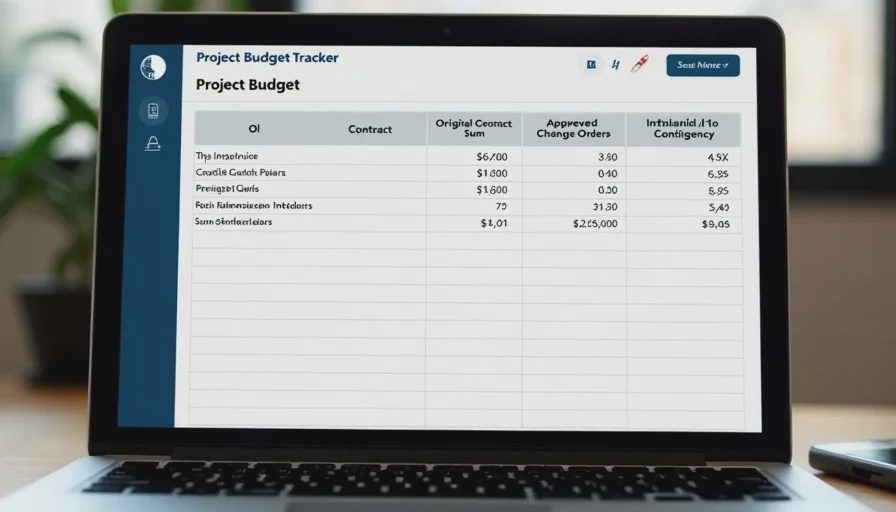
Change orders should be tracked on a running log that shows the original contract sum, each approved change, and the revised total. The log becomes part of the project record and simplifies the final accounting.
Payment for change-order work should follow the same milestone logic as the base contract. A change order completed during the rough stage should be eligible for payment at the corresponding progress draw, not automatically due upon completion of the extra work. Tying payment to the overall progress schedule keeps cash flow aligned with the larger project.
Retainage should apply to change-order work in the same percentage used on the base contract. This keeps the incentive structure consistent.
Practical Steps Before the Contract Is Signed
Ask for the change-order clause in writing and test it against a realistic scenario. What happens if knob-and-tube is found? What is the process and the pricing method? Is there a cumulative threshold?
Request an exhibit of unit prices for the five or six extras most likely to appear in the specific project type. A kitchen renovation will generate different common extras than a whole-house re-pipe or a roof replacement.
Confirm that no extra work may begin without a signed change order and that verbal authorizations are explicitly disclaimed.
A renovation contract that is silent or vague on change orders effectively writes a blank check for mid-project discoveries. The cost of those discoveries is not eliminated by better language; it is made visible, priced in advance, and subjected to a clear approval process. That difference determines whether a $9,000 surprise remains a manageable adjustment or becomes the start of a larger dispute. Build the rules into the original agreement. Once demolition starts, the leverage to set those rules has already disappeared.