
When planning a kitchen, bathroom, addition, or whole-house renovation, understanding contractor estimate vs quote can prevent an expensive misunderstanding. The two terms are often used interchangeably, but they do not always carry the same level of detail or commitment. A rough estimate might help you set a budget, while a detailed quote can become the financial foundation of your contract. Before you compare contractors, find out exactly what each document promises, what it leaves open, and how changes will affect the final bill.
What is the difference between an estimate and a quote?
An estimate is an informed projection of what a project could cost. A contractor may base it on a short site visit, basic plans, square footage, conversations about finishes, and experience with similar work. It can be useful early in the planning process, when you are still deciding between a $35,000 bathroom remodel and a $55,000 version with custom tile, plumbing changes, and heated floors. However, an estimate may not include every material, allowance, permit, disposal charge, or labor condition.
A quote is usually more specific. It should describe the planned scope, materials, quantities, labor, exclusions, payment schedule, and expected timeline. A quote can still include allowances or conditions, but it gives both sides a clearer basis for comparison. In the contractor estimate vs quote discussion, the central distinction is precision: an estimate helps forecast a budget, while a quote is intended to price defined work.
Neither document automatically protects you from every overrun. The wording matters more than the title at the top of the page. A one-page document labeled “quote” can be less useful than a detailed estimate with drawings, specifications, and clear assumptions.
What a reliable quote should include
A useful quote begins with a project description that another contractor could understand. “Remodel kitchen” is not enough. A stronger description might identify cabinet style and manufacturer, countertop material, appliance installation, lighting locations, flooring treatment, painting, plumbing work, and cleanup. If the document refers to plans, elevations, or finish schedules, those attachments should be included and dated.
Look for a line-by-line breakdown of labor and materials. You do not need every screw priced separately, but you should see meaningful categories such as demolition, framing, electrical, plumbing, drywall, cabinets, countertops, flooring, permits, and final cleaning. Ask whether sales tax, delivery, equipment rental, and dumpster fees are included. A contractor estimate vs quote comparison becomes difficult when one contractor includes permit fees and another places them in an unexplained allowance.
The quote should also state what is excluded. Common exclusions include structural engineering, asbestos or lead remediation, utility upgrades, landscape repairs, owner-supplied appliances, and concealed damage discovered after demolition. Clear exclusions are not automatically a problem. They are a problem when homeowners discover them only after work begins.

How allowances and assumptions change the price
Allowances deserve close attention because they can make a quote look attractively low. An allowance is a placeholder amount for an item that has not been selected or fully priced. For example, a quote might include a $4,000 allowance for plumbing fixtures, even though the fixtures you choose could cost $7,500. You would generally pay the difference, plus any handling or installation adjustment stated in the contract.
The same issue appears with cabinets, tile, lighting, doors, windows, and appliances. Compare allowance amounts across contractors instead of comparing only the grand total. One contractor may show a $12,000 cabinet allowance while another shows $22,000. The second quote is not necessarily more expensive; it may simply be more realistic for the design you want.
Ask each contractor to identify assumptions in writing. Does the price assume level floors? Does it include moving a gas line? Is the electrical panel adequate for an induction range? Does the contractor expect you to remain in the house during construction? In a careful contractor estimate vs quote review, these questions reveal whether the apparent bargain is genuine or just incomplete.
Comparing quotes without creating a false competition
A low number is not useful if it describes less work. Put competing documents into a comparison sheet and normalize the scope before judging price. Match quantities, brands, finish levels, permits, cleanup, warranty terms, and project duration. If one quote includes painted trim and another leaves trim unfinished, subtracting the totals will produce a misleading result.
Price gaps deserve explanation, not immediate rejection. A $68,000 addition quote and a $91,000 quote could differ because of insulation, windows, foundation assumptions, engineering, or subcontractor quality. Ask both contractors to respond to the same written clarification. A professional should be able to explain the difference without becoming defensive or replacing the document with a verbal promise.
The best contractor estimate vs quote comparison also considers capacity and process. Find out who will supervise the job, how change orders are documented, when invoices are due, and how delays are handled. A contractor offering a polished quote but no clear communication plan creates a management risk that may cost more than a modestly higher bid.
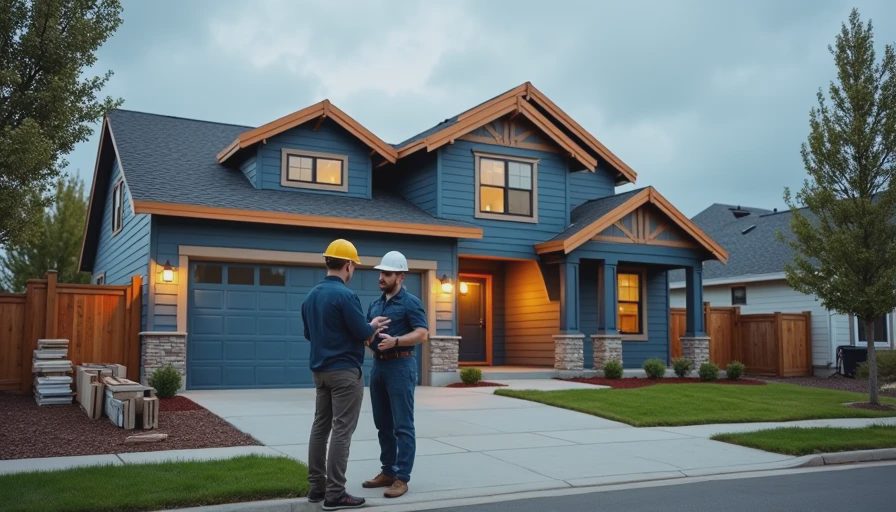
Turning a quote into contract protection
A quote is not a complete contract unless the agreement incorporates its scope and attachments. Before signing, make sure the contract identifies the legal business name, license or registration information where applicable, insurance coverage, payment schedule, start conditions, substantial completion standard, warranty terms, and dispute process. For a project involving structural changes, have a qualified attorney review the agreement if the cost or risk justifies the fee.
Avoid large upfront payments that are not tied to measurable progress. A common structure might use an initial deposit for scheduling and materials, followed by payments at defined milestones such as demolition completion, rough inspections, drywall, cabinet installation, and final completion. The exact schedule depends on local law and project type, but each payment should correspond to visible work or delivered materials.
Changes should be written before the work is performed. A change order should state the added or deleted work, price adjustment, schedule impact, and effect on allowances. Verbal instructions in a hallway can become a $3,000 dispute months later. Contractor estimate vs quote documents are useful only when the signed contract and later change orders preserve the same level of detail.
Questions to ask before choosing a contractor
Ask why the price differs from other proposals, which items are allowances, and what conditions could trigger additional charges. Ask who obtains permits, who supervises subcontractors, and whether the crew will be working on other projects at the same time. Request current references for work similar in size and complexity, not just a list of satisfied customers from several years ago.
Ask how the contractor handles concealed conditions. A fair answer explains the discovery process, documentation, approval threshold, and emergency decisions. Also ask for a sample change order and an example invoice with personal information removed. Those documents reveal how the contractor actually manages money.
If the contractor refuses to identify exclusions, pressures you to sign immediately, or says a detailed contract is unnecessary, treat that behavior as meaningful information. A polished personality cannot replace scope control. In the contractor estimate vs quote process, responsiveness to reasonable questions is one of the strongest practical indicators of how the project will feel later.
A practical decision for homeowners
Use an estimate during early planning, but do not build your entire financing plan around a rough number. Add a contingency reserve appropriate to the project, with more room for older homes, structural work, and renovations that involve opening walls. A quote becomes more useful as selections are finalized and unknowns are reduced.
Choose the proposal you can audit, not automatically the one with the smallest total. The strongest document tells you what you are buying, what is not included, how uncertain items are priced, and what happens when plans change. That clarity gives you leverage before construction rather than after a surprise invoice arrives.
When comparing contractor estimate vs quote documents, slow down long enough to reconcile every major difference. Ask for revisions in writing, attach the final scope to the contract, and keep invoices, approvals, plans, and photos in one project file. Spending an extra evening reviewing the paperwork can protect thousands of dollars and preserve a working relationship that a rushed signature could damage.