
A renovation ends with unresolved defects and a disagreement over whether certain work was ever included in the original price. The contractor produces a short email chain and a final invoice. The homeowner has a collection of text messages, some undated photos on a phone, and a general recollection of conversations that occurred months earlier. The contemporaneous record is thin. In arbitration or negotiation the party with the clearer, dated, organized file usually holds the stronger position.
Documentation is not an administrative hobby. It is the creation of a factual timeline while the facts are still visible and undisputed. The cost of maintaining it is low. The cost of reconstructing events after memories fade and walls are closed is high.
What Belongs in the Record
A useful project file contains five categories of material.
First, the baseline documents: the signed contract, the final scope of work, any drawings or specifications, the payment schedule, and the original quote or proposal. These establish what was agreed before work began.
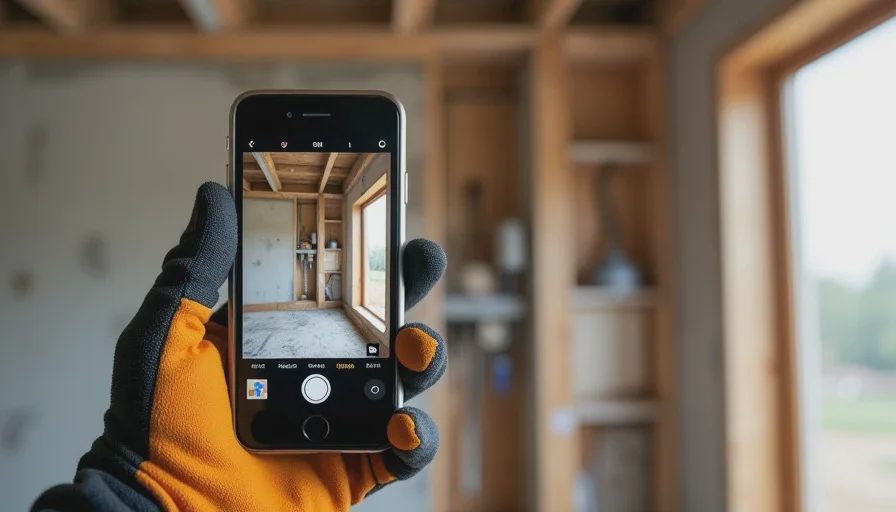
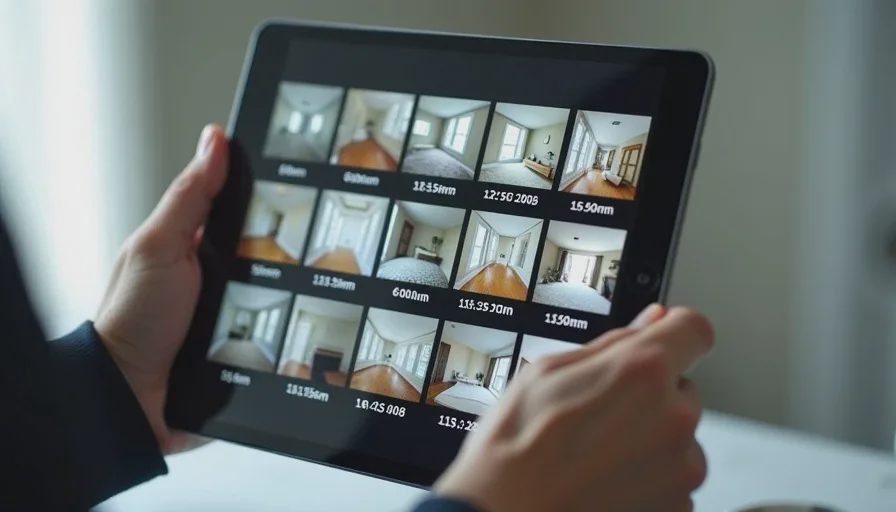
Second, progress photographs. Take them at consistent intervals and at every major transition—before demolition, after demolition, at rough-in, after insulation or waterproofing, at finish installation, and at final walkthrough. Photograph the same angles when possible so changes are visible. Include wide shots for context and close-ups for detail. Date stamps or file names that include the date remove later arguments about when an image was taken.
Third, written communications that affect scope, price, or schedule. Emails and text messages that approve a change, confirm a delay, or acknowledge a problem should be preserved. Verbal conversations that matter should be followed by a short confirming email: “Per our conversation today, you will replace the damaged section of subfloor at the unit price we agreed and will not proceed further without written approval.”
Fourth, official records: permit documents, inspection reports or digital inspection results, and any notices from the building department. These carry independent weight.
Fifth, payment and change-order records: copies of checks or transfer confirmations, signed change-order forms, and a simple running log of the original contract sum plus approved changes.
Together these materials create a chronological account of what was promised, what was observed, what was approved, and what was paid.
Photography That Actually Helps
Casual snapshots taken only when something looks wrong are less useful than systematic progress images. A practical routine is to walk the site at the end of each week or at the completion of each major phase and capture a standard set of views. Additional detail photos should be taken whenever a concealed condition is exposed, whenever a change-order item is performed, and whenever work is about to be covered up.
Photograph open walls before insulation or drywall. Photograph waterproofing membranes before tile. Photograph electrical and plumbing rough-ins before inspection and before closing. These images become difficult or impossible to recreate once the surfaces are finished. If a later dispute involves whether a particular membrane was installed or whether a junction box was accessible, the dated photo is often decisive.
Store the images in a dedicated folder structure organized by date or by phase. Back them up. Do not rely solely on a phone camera roll that can be lost or accidentally deleted.
Communication Discipline
Text messages are convenient and easily lost or taken out of context. Important directions, approvals, and notices should be confirmed in email or in a shared written log. A short message that restates the agreement creates a record both parties can reference. If the contractor objects to written confirmation, that objection itself is informative.
Keep a simple chronological note of significant events: dates when materials were delivered, when inspections were scheduled or failed, when the crew was absent for extended periods, and when problems were first reported. The note does not need to be formal. It needs to be contemporaneous and dated.
Organization That Survives the Project
A single digital folder hierarchy is usually sufficient:
00_Contract_and_Scope
01_Permits_and_Inspections
02_Progress_Photos (subfolders by month or phase)
03_Change_Orders
04_Payments
05_Correspondence
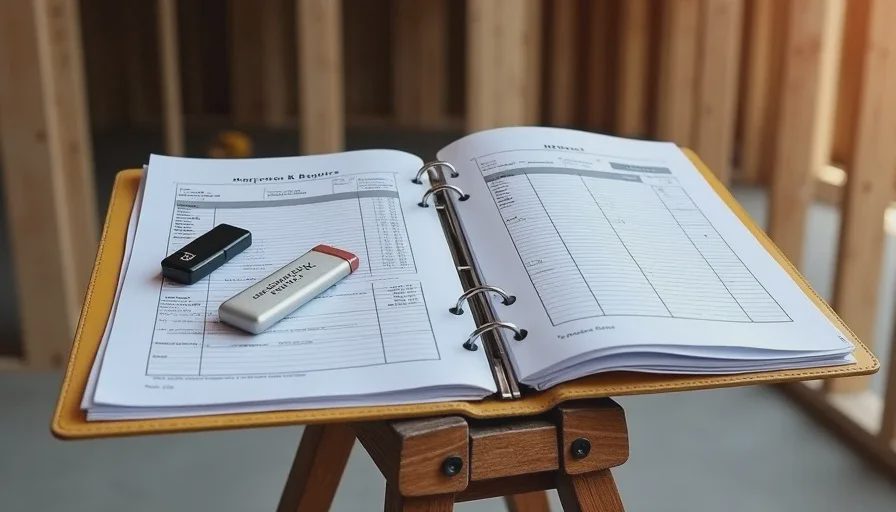
Paper copies of the signed contract, change orders, and key inspection documents can be kept in a simple binder on site or at home. The digital file is the primary archive; the paper set is the working reference.
At the end of the project, export or copy the entire folder and store it with the closing documents. If a warranty claim or latent defect appears a year later, the file is still intact.
When the Record Becomes Useful
The documentation package is most valuable in three situations: negotiating the correction of defects during the punch-list phase, supporting a claim against retainage or final payment, and presenting facts in mediation or arbitration. In each case the party that can show dated photographs of conditions, written approvals of changes, and a clear payment history starts from a stronger position than the party relying on memory.
Documentation also disciplines the homeowner. The act of photographing and recording forces regular attention to the work as it progresses rather than only at the end. Problems are noticed earlier, when they are cheaper to address.
Practical Minimum Routine
Photograph the site thoroughly before any work begins.
Capture standard progress views at the end of each major phase and before any work is concealed.
Confirm important verbal agreements in a short email the same day.
File every inspection result, change order, and payment confirmation as it occurs.
Maintain a simple dated log of significant events.
Back up the digital file regularly.
A renovation generates a large volume of information. Most of it disappears unless it is deliberately captured and organized while the work is visible. The homeowner who builds a clear contemporaneous record is not preparing for a fight. The homeowner is preparing for the possibility that memories will differ and that walls will close. When that possibility materializes, the file becomes the most reliable witness available.