

A contract is signed. The deposit is paid. The start date is two weeks away. Many homeowners treat the intervening period as dead time. The more useful approach is to schedule a structured pre-construction meeting before any demolition or material delivery occurs. The meeting is not a social formality. It is the last low-cost opportunity to align expectations, confirm logistics, and close gaps that the written contract may have left open.
Most later disputes over access, protection, sequencing, communication, and site rules can be reduced or eliminated by decisions made in this single conversation. Once the crew is on site and walls are open, the same decisions become slower, more expensive, and more contentious.
Core Agenda Items
A productive pre-construction meeting covers seven practical areas.
First, confirm the final scope and any outstanding selections. Walk through the written scope document and the drawings together. Resolve any remaining allowances or open finish decisions that could affect ordering. Late selections are one of the most common sources of schedule slippage; locking them before mobilization removes that variable.
Second, review the baseline schedule and major milestones. Confirm the target substantial completion date, the sequence of trades, and the approximate dates for key inspections. Ask how weather, material lead times, or inspection backlogs will be handled. Require that any significant slip be reported in writing with a revised recovery plan.
Third, establish site logistics and protection standards. Decide where materials will be staged, where the crew will park, which rooms or exterior areas are off-limits, and what level of daily cleanup is expected. Confirm floor, dust, and HVAC protection methods. These details rarely appear in the formal contract yet generate frequent friction once work begins.
Fourth, clarify communication protocols. Identify the single point of contact on the contractor side for daily questions and the preferred method (email, text, or shared log). Agree on how change-order requests will be submitted and how quickly pricing will be provided. Establish that verbal directions affecting cost or scope will be confirmed in writing the same day.
Fifth, confirm permit and inspection responsibilities. Verify who is pulling the permits, who is scheduling the inspections, and how the homeowner will be notified of results. Tie the relevant progress payments to passage of the required inspections if the contract has not already done so.
Sixth, review payment application and documentation requirements. Confirm what the contractor must submit with each draw—updated schedule of values, conditional lien waivers, photos of completed work, or inspection sign-offs. Align the paperwork expectations before the first invoice arrives.
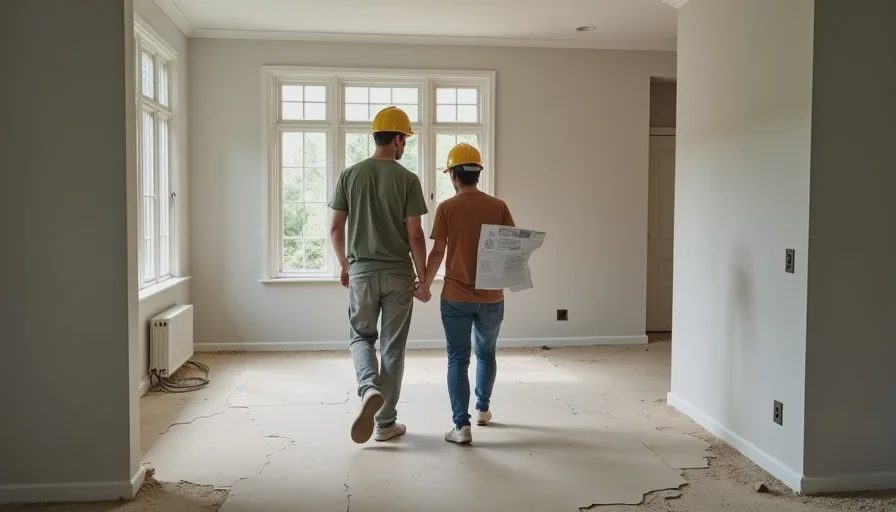
Seventh, walk the site together. Note existing conditions that could later be disputed—pre-existing cracks, floor slopes, window operation, or adjacent finish quality. Photograph them. Agree on any temporary protections or workarounds required for occupied areas of the house.
Documents to Have on the Table
Bring the signed contract, the final scope exhibit, the drawings, the payment schedule, and any material specification sheets. Ask the contractor to bring the baseline schedule, the list of major subcontractors, and the current certificates of insurance. If long-lead items have been ordered, confirm the expected delivery windows.
A short written summary of decisions made in the meeting—distributed the same day—prevents later disagreements about what was agreed. The summary does not need to be formal. It needs to be dated and shared.
Decisions That Are Cheaper Before Mobilization
Several recurring problems are far easier to solve before the crew arrives:
Exact boundaries of daily cleanup and end-of-day security
Rules for music, smoking, and use of the homeowner’s utilities or restrooms
Protocol for discovering concealed conditions and obtaining written approval before extra work proceeds
Storage of the homeowner’s remaining furniture or personal items
Access hours and notice required for work in occupied zones
Leaving these points unaddressed produces repeated micro-negotiations once the project is underway. Settling them in advance converts potential daily friction into settled rules.
When the Meeting Reveals Problems
Occasionally the pre-construction conversation surfaces issues that were not visible during bidding: an unavailable key subcontractor, a material that is suddenly out of stock, or a contractor who cannot commit to the previously discussed schedule. These revelations are inconvenient. They are still preferable to discovering the same facts after demolition has begun and the deposit is spent. A contractor who cannot provide clear answers on logistics, sequencing, or subcontractor availability at the kickoff stage is supplying useful information while the homeowner still has the option to pause or reconsider.
Practical Sequence
Schedule the meeting at least several days before the planned start date.
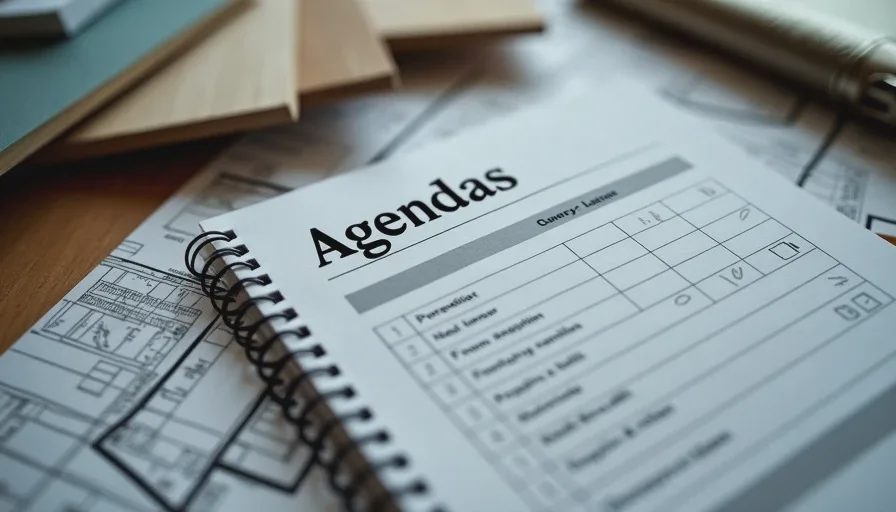
Circulate a short agenda in advance so both sides arrive prepared.
Walk the scope, schedule, logistics, communication rules, and site conditions systematically.
Photograph existing conditions together.
Issue a brief written summary of decisions the same day.
Confirm that any open selections or long-lead orders are locked before mobilization.
The pre-construction meeting is the final planning step before the project becomes physical and expensive to redirect. It converts the written contract into an operational plan that both parties have reviewed face to face. Homeowners who skip it often spend the following weeks clarifying points that could have been settled in a single structured conversation. Homeowners who treat it as a required working session begin the project with fewer open variables and a shared reference for how the work will actually be run.