
Hydro jetting is one of those plumbing services that can sound either essential or suspiciously expensive, depending on how the contractor presents it. A pressurized water line can remove years of grease, sludge, roots, and scale from a drain, but it is not automatically the right answer for every slow sink or backed-up toilet. The useful question is not whether hydro jetting works. It is whether the proposed work, equipment, price, and warranty make sense for your specific sewer or drain problem.
For homeowners reviewing a renovation or repair quote, the contract matters as much as the equipment. A vague line reading “jet main line” does not tell you where the access point is, how far the line runs, whether a camera inspection is included, or what happens if the blockage returns next week.
What hydro jetting actually does
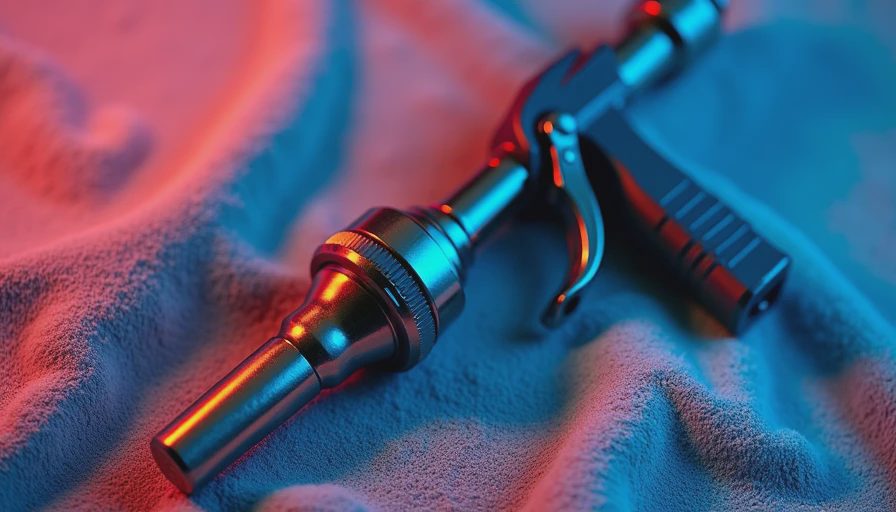
Hydro jetting uses a specialized hose and nozzle to send high-pressure water through a drain or sewer pipe. The nozzle usually has forward and rear-facing openings. The forward spray helps break through an obstruction, while the rear spray pushes debris back toward the access point and helps move the hose through the pipe.
Unlike a basic drain snake, which often creates a narrow path through a clog, hydro jetting can scrub material from the interior walls of a pipe. That distinction matters when the problem involves cooking grease, soap buildup, mineral scale, or recurring sludge. In a restaurant, for example, grease can coat a line until the usable opening becomes very small. A cable might reopen it temporarily; hydro jetting can clean a larger portion of the pipe wall.
The service is not a pipe replacement and it is not a guaranteed cure for a collapsed, badly cracked, or misaligned line. High pressure can also be inappropriate for fragile, damaged, or poorly identified piping. A competent contractor should know the pipe material, approximate age, access conditions, and history of the blockage before recommending the work.
What should be included in the quote
A serious quote for hydro jetting should identify the target line rather than simply listing “drain cleaning.” Look for language naming the kitchen branch, main sewer lateral, basement floor drain, or another specific section. The quote should also state whether the contractor will use an existing cleanout, remove a toilet for access, or dig to expose the pipe.
Ask whether a camera inspection occurs before the jetting, after it, or both. A pre-service camera can reveal roots, standing water, a broken section, or a severe offset. A post-service camera gives you evidence that the line was actually cleaned and may identify defects that were hidden by buildup. If the contractor refuses to document the condition of an accessible sewer line, that is a meaningful weakness in the proposal.
The scope should name the equipment or service level in practical terms: expected hose length, pressure range, nozzle type when relevant, cleanup, disposal of removed debris, and restoration of disturbed areas. You do not need a technical manual, but you do need enough detail to compare one proposal with another. “Includes hydro jetting” is not a complete scope by itself.
How much hydro jetting can cost
Residential hydro jetting commonly lands somewhere between roughly $500 and $1,500 for an accessible line, although difficult access, extensive roots, long runs, commercial equipment, or emergency scheduling can push the total higher. A simple branch line with a nearby cleanout may be less expensive. A main sewer line requiring toilet removal, basement access, or multiple passes can cost considerably more.
Price alone does not establish value. A $650 quote that skips inspection and offers no documentation may be weaker than a $1,100 quote that includes camera footage, two-way cleaning, detailed findings, and a written recommendation. On the other hand, a contractor should explain a $2,500 proposal rather than hiding behind the phrase “heavy-duty hydro jetting.”
Separate diagnostic and repair charges should be visible. Some companies advertise a low service-call price and then add fees for camera inspection, extra hose length, access through a toilet, weekend work, or a second technician. Ask for a not-to-exceed amount and require approval before additional work begins. If excavation, pipe lining, or replacement becomes necessary, those should be separate options with their own scopes and prices.
When the service is justified
Recurring backups are the strongest reason to investigate hydro jetting. If a main drain backs up every few months, a cable service repeatedly restores flow for only a short time, or a camera shows thick grease or heavy scale, cleaning the full interior may be reasonable. Root intrusion can also justify the service as part of a maintenance plan, although roots will return if the underlying pipe remains damaged.
The service is less persuasive when a single bathroom sink is slow because of a removable trap blockage, when a toilet has a localized obstruction, or when the contractor has not identified the affected line. Those situations may call for a trap cleaning, cable auger, or straightforward repair instead. A homeowner should not approve expensive equipment simply because the phrase sounds more powerful.
A useful quote compares alternatives. Ask the contractor to price basic cabling, hydro jetting, spot repair, and replacement when each option is technically appropriate. The goal is not to force the cheapest solution. It is to understand what each dollar buys and how long the proposed fix is expected to last.
Questions to put in writing
Before signing, ask these questions and save the answers with the contract:
- What exact pipe or line will be cleaned, and how was the blockage located?
- What pipe material and condition did the camera inspection reveal?
- What access point will be used, and is any toilet removal or excavation included?
- Is the camera inspection included before and after the work?
- What happens if the line cannot be cleared or the blockage returns within 30 days?
- Does the price include cleanup, disposal, water use, and restoration?
- What additional charges require my written approval?
The warranty deserves particular attention. A “30-day guarantee” may cover only a return visit, not damage, a new blockage, or a recommendation for a larger repair. Have the contractor define the remedy in plain language. Also ask for the inspection video, written findings, invoice, and photos. Those records can help if you later need a sewer repair estimate or want another plumber to review the work.
A practical decision for your household
Hydro jetting is a useful cleaning method, not a magic wand and not automatically an upsell. Approve it when the contractor can identify the affected line, show evidence of buildup or roots, explain why a cable is insufficient, and provide a complete price with access, inspection, cleanup, and follow-up terms. Pause when the proposal is vague, the urgency is theatrical, or the company cannot explain the condition of the pipe.
For a major home expense, collect at least two written quotes and compare scope before comparing totals. A clear $900 proposal can be safer than a $450 bargain with undefined extras, but a $1,800 quote still needs evidence to justify the premium. Enter the conversation with your contract, camera findings, and questions organized. That is how a homeowner turns hydro jetting from a pressured sales decision into a measurable repair choice.