
When you ask three contractors for a bid, you expect three different numbers. But the real question isn't which one is cheapest — it's whether any of them is a contractor quote fair enough to sign. I've reviewed hundreds of quotes on this forum, and the ones that look fair at first glance are often the most dangerous. A fair quote isn't just about the bottom line; it's about what's buried in the line items, what's missing, and what the contractor assumes you won't ask about. Your leverage starts with the paper in front of you.
When a quote says "demo and haul, $4,500" without specifying how much debris, or "install tile, labor only" without a square-foot figure, you're not comparing bids. You're guessing at what each contractor actually plans to do. So how do you know if a number is genuinely fair? You stop looking at the total and start auditing the line items. That's how you spot a fair one among the guesses. That's the core of this forum. A fair quote is a contract, not a guess.
What Makes a Contractor Quote Fair?
Fair doesn't mean cheap. It means the price matches the scope, the materials, and the market rate for your area. A fair contractor quote for a typical remodel lands within 10 to 15 percent of the median bid for the same work. If one bid comes in 30 percent lower than the others, you're not getting a deal — you're getting a contractor who missed something or plans to hit you with change orders later.
For example, a homeowner in Columbus got three quotes for a 200-square-foot deck. One was $12,000, another $18,500, and the third $22,000. The low bid didn't include railings. The high bid included a full structural inspection. The middle quote matched the local market and was the fair one.
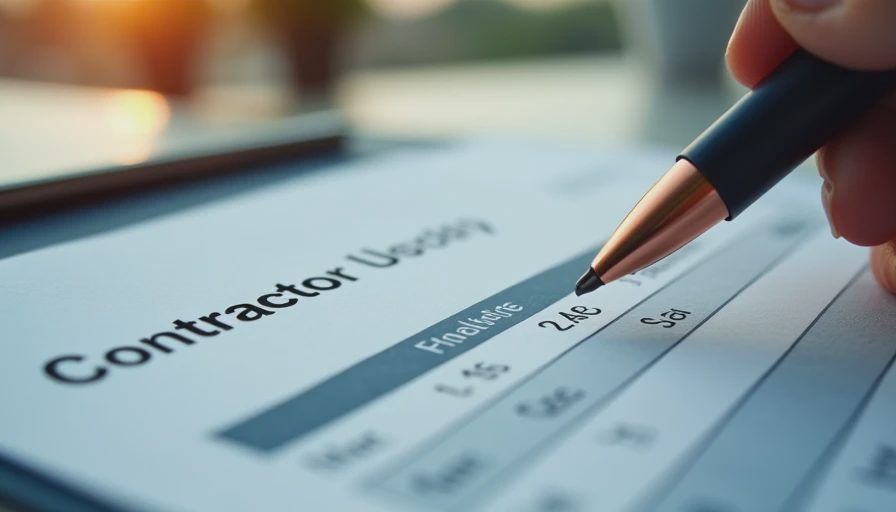
The Line-Item Test: How to Audit a Quote
A fair quote is a detailed quote. You should be able to see how much you're paying for permits, lumber, fixtures, labor, and cleanup. If a contractor hands you a one-page total with no breakdown, that's not a quote — it's a liability.
Here's what I look for in every line item:
- Materials listed by brand and model. If the quote says "kitchen cabinets" without a line for KraftMaid, ask for specifics.
- Labor priced by the hour or by the square foot. A rate of $65 to $90 per hour for a skilled pro is common. Anything under $50 should trigger questions.
- Allowances for items you pick out, like tile or flooring, should carry a dollar range, not a vague "allowance to be determined."
- Cleanup and disposal should be listed separately so you can see what you're paying.
With line items like these, you can compare bids fairly. A contractor quote is fair only when you can see why one bid is higher — better materials, more hours, or a longer warranty. That's transparency. If a contractor won't provide a breakdown, walk away.
Red Flags That Make a Quote Unfair
Some red flags are obvious: a contractor who demands half upfront, or a quote that expires in a week. Others hide in plain sight.
- "Time and materials" with no cap means an open-ended bill. A fair quote sets a maximum.
- Change order clauses that let the contractor add 20 percent without approval. You should approve changes in writing.
- A contingency line above 10 percent means you're covering their uncertainty.
Then there's the pressure play. A contractor who says "sign today" is short-circuiting your review. A fair contractor quote always gives you time to check licenses and references.

How to Compare Three Quotes Without Losing Your Mind
Comparing bids is a skill. Start by making a simple spreadsheet with columns for each contractor. List every line item: permits, materials, labor, cleanup, warranty. If a line item appears in one bid but not another, that's the first thing to ask about.
Then normalize the quotes. If one bid includes a $1,500 electrical line and another doesn't, ask whether it's covered elsewhere. You can't compare totals until the scope matches. The only way to know if a contractor quote fair is on the table is to line up the same line items.
Ask every contractor the same three questions: hours, crew rate, and how they handle rot. The answers matter more than the total. And a bid 30 percent below the others is a red flag, not a deal.
The Fair Quote Checklist
Before you sign anything, confirm your quote has these seven features: a complete scope of work, line items broken out by material and labor, brand names for major materials, a clear timeline, milestone payments, license and insurance numbers, and a warranty clause. If it's missing even a couple, keep asking questions. A quote that passes all seven checks is the one you can sign with confidence.
The bottom line: a fair price isn't about gut instinct. It's about pulling apart the quote, understanding each number, and comparing it against the market. If you're still asking "is this contractor quote fair?" after reading this, post the bid on our forum. We'll help you pick it apart line by line. Enter with your contract, leave with your leverage.