
An Austin homeowner needs a full-house re-pipe. The existing copper and galvanized lines show pinhole leaks and low pressure. GC-A submits a fixed-price quote for Type L copper only. The number sits in the mid-teens of thousands. When the homeowner asks about PEX, the response is short: “PEX is cheap. We don’t use it.” No alternative price is offered. No code reference is given. The conversation stops there.
That answer is incomplete. PEX has been code-compliant for residential potable water in Texas for years. Austin and most surrounding jurisdictions accept it under the adopted plumbing codes when installed to manufacturer specifications. The material is not experimental. It is the dominant choice for new construction and many re-pipes across the state. A contractor who refuses to price it at all is making a commercial or preference decision, not a code decision.
Austin Market Reality and Code Status
Whole-house re-pipe costs in 2026 typically range from $4,500 to $15,000 for most single-family homes, with national averages near $7,500. In Texas markets, a 1,800–2,200 square-foot house with two or three bathrooms commonly lands between $5,000 and $9,000 for PEX and $9,000 to $14,000-plus for copper when drywall repair and fixture reconnections are included. The gap is driven by material price, labor hours, and the number of joints required.
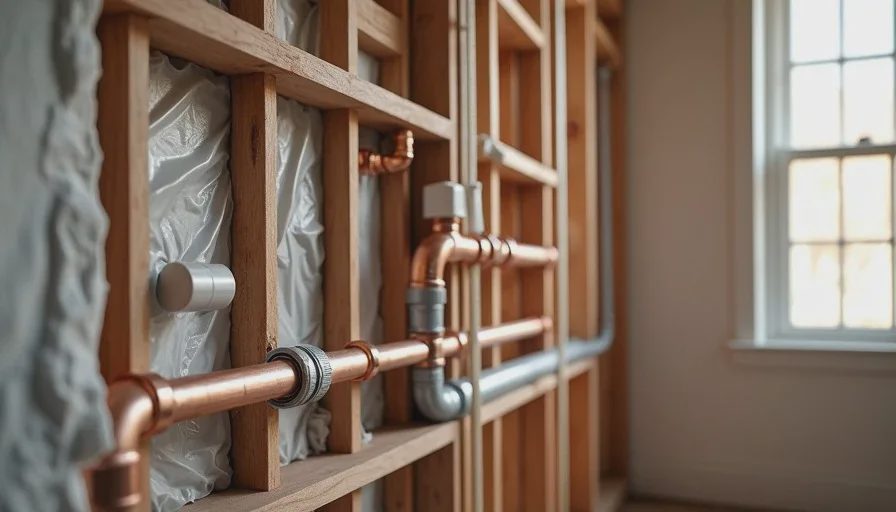
PEX installs faster because it is flexible. Runs can snake through existing cavities with fewer fittings. Copper requires precise measurements, soldering or press fittings, and more wall openings in many cases. Labor hours drop noticeably with PEX on a re-pipe. That difference shows up directly in the final number.
Texas plumbing codes treat both materials as acceptable for potable water when the correct type and installation method are used. PEX-A, PEX-B, and PEX-C all appear in the market; the expansion-style PEX-A systems are common in high-quality residential work. A GC who claims PEX is somehow “not allowed” or “not real plumbing” is either outdated or choosing not to offer the lower-cost option.
Cost and Performance Differences
A practical comparison for a typical Austin three-bedroom, two-bath house looks like this:
Factor | PEX (typical) | Copper (typical) | Notes |
|---|---|---|---|
Material + fittings | Lower | 40–80 % higher | Copper price volatility adds risk |
Labor hours | Fewer | Higher | Flexibility reduces fittings and openings |
Installed total (mid-size home) | $5,000–$9,000 | $9,000–$14,000+ | Includes basic drywall patch |
Freeze resistance | Expands, less likely to burst | Rigid, more likely to split | Relevant even in Central Texas cold snaps |
Corrosion / scale | Highly resistant | Can develop pinholes | Depends on water chemistry |
Expected service life | ~50 years | 50–70 years possible | Both assume proper install and water conditions |
Joint count | Lower | Higher | Fewer joints = fewer potential leak points |
Copper carries a longer historical track record and higher perceived durability. In practice, many copper systems develop pinhole leaks after 20–40 years when water chemistry is aggressive or when the original installation used thinner Type M pipe. PEX is immune to the electrochemical corrosion that produces those pinholes. It also handles freezing better because the tube can expand. Central Texas sees occasional hard freezes; that property has real value.
Chlorine resistance varies by PEX type. PEX-B generally rates highest. UV exposure during storage or installation must be limited, but once the pipe is inside walls the issue disappears. Copper has no UV concern but can be damaged by acidic water or stray electrical currents.
Neither material is universally superior. The right choice depends on water quality, budget, access for future repairs, and the homeowner’s tolerance for open walls during installation. A contractor who will only price one option removes that decision from the homeowner.
Red Flags When Alternatives Are Refused
A flat refusal to quote PEX raises three practical questions.
First, is the GC locked into a higher-margin material? Copper requires more labor and carries higher material cost. Some contractors prefer the larger total and the traditional perception of quality. That preference is legitimate for the contractor; it is not a technical prohibition for the homeowner.
Second, does the crew lack experience with expansion or crimp PEX systems? Proper PEX installation still requires training, the correct tools, and attention to support spacing and bend radii. A crew that has only soldered copper may simply not want to change methods. In that case the homeowner is paying for the contractor’s comfort rather than the optimal system for the house.
Third, is the quote structured to discourage comparison? When only one material appears, the homeowner cannot see the delta. A transparent contractor will price both options on the same scope so the difference is visible. Refusing to do so keeps the higher number insulated from scrutiny.
None of these points mean copper is the wrong choice. They mean the homeowner should obtain a second quote that includes PEX before accepting the single-option number.
How to Force a Clean Comparison
Request the following from GC-A and from at least one additional plumber or GC:
Fixed-price quote for full re-pipe in Type L copper
Fixed-price quote for the identical scope in PEX (specify PEX-A or PEX-B and the fitting system)
Number of expected wall and ceiling openings
Allowance or unit price for drywall repair and texture match
Pressure-test protocol and duration before walls close
Warranty length on workmanship and on the pipe itself
Payment schedule tied to milestones (rough-in complete, pressure test passed, final inspection)
A well-structured contract for a re-pipe holds a meaningful percentage until the system passes a documented pressure test and the city inspection. Front-loading more than 30–40 percent before any pipe is installed reduces leverage if problems appear.
Ask specifically about manifold versus traditional trunk-and-branch layout. Many PEX installations use a central manifold that simplifies future shut-offs and reduces the number of joints inside walls. Copper systems are more often trunk-and-branch. The layout difference affects both cost and long-term serviceability.
If GC-A still declines to price PEX after a clear request, treat that as information. The contractor is signaling a preference for one method and one price point. That may be acceptable if the copper quote is competitive and the crew’s references on copper work are strong. It is not acceptable if the homeowner wants the option of a lower-cost, faster installation that meets code.
The material debate is secondary to the process. A full-house re-pipe is a high-disruption, high-dollar decision. The homeowner needs two complete, comparable scopes and a contract that keeps payment aligned with verified progress. When a GC offers only one material and resists pricing the alternative, the first task is not to argue about pipe. It is to obtain the missing numbers from someone willing to supply them.