
Choosing the best insulation for new home construction is less about finding one magic product and more about matching materials to your climate, framing, budget, and builder's installation quality. A quote that simply says "insulate entire house" is not detailed enough for a six-figure project. You need to know the material, R-value, thickness, air-sealing scope, and labor assumptions before signing.
Insulation affects heating and cooling costs, indoor comfort, sound control, moisture management, and future resale appeal. It is also difficult and expensive to correct after drywall is installed. The right review process is therefore similar to reviewing a contractor proposal: identify the specification, check what is excluded, and compare the finished result rather than the product name alone.
Start with climate, assembly, and code requirements
The best insulation for new home construction in a cold northern climate will not always be the best choice for a hot, humid southern climate. In the United States, building codes and energy requirements vary by climate zone, and local rules often specify minimum insulation levels for ceilings, walls, floors, and foundation assemblies. Your plans should identify the required R-value, but the code minimum is a starting point, not necessarily the comfort target.
Review each part of the building separately. An attic floor, cathedral ceiling, exterior wall, basement wall, crawl-space floor, and garage wall have different moisture and air-leakage risks. A wall with R-21 insulation can still perform poorly if the sheathing joints, electrical penetrations, rim joists, and window openings are left leaky. Ask for a continuous air-sealing plan, not just a product brochure.
A useful quote lists the proposed assembly from inside to outside. For example, it might show drywall, service cavity, batt insulation, structural sheathing, exterior rigid foam, weather barrier, siding, and ventilation gap. That level of detail reveals whether the builder is counting the same cavity twice or assuming that a thin layer will solve every thermal problem.
Comparing the major insulation materials
Fiberglass batts are familiar, widely available, and often the lowest-cost option. They can work well in standard framed walls when cut accurately and installed without compression, gaps, or electrical obstructions. The weakness is labor quality. A rushed installer can leave visible voids around wiring and plumbing, reducing real-world performance even when the package label looks impressive.
Blown-in fiberglass is useful for attics and some closed wall cavities. It fills irregular spaces better than poorly fitted batts, although it still needs the correct depth and density. Cellulose, typically made from recycled paper fiber treated for fire resistance, can provide good coverage in attics and dense-packed walls. It is often attractive when the quote emphasizes sound reduction and reduced air movement, but the installer should explain how settling is controlled.
Spray polyurethane foam comes in open-cell and closed-cell forms. Open-cell foam expands significantly and can provide air sealing with a softer, vapor-permeable texture. Closed-cell foam has a higher R-value per inch and can resist moisture movement, but it costs more and changes the wall assembly's drying behavior. It should not be selected solely because a salesperson calls it the premium option.
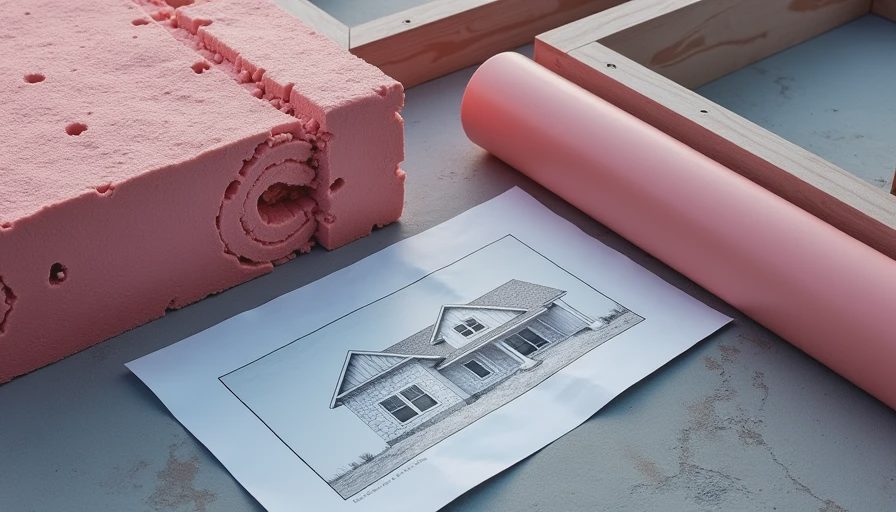
Mineral wool batts are denser than typical fiberglass and are valued for fire resistance, sound control, and rigidity. They can be a strong choice for bedrooms, bathrooms, mechanical rooms, and party walls. Exterior rigid foam, such as polyisocyanurate or expanded polystyrene, can reduce thermal bridging through framing when designed correctly. The best insulation for new home construction may combine two or three materials instead of relying on one throughout the building.
Read the insulation quote line by line
A credible quote should state the product category, manufacturer or performance standard, R-value, estimated quantity, installation locations, and preparation work. It should also identify whether the price includes attic baffles, soffit ventilation, fire blocking, rim-joist sealing, basement-wall treatment, and cleanup. If these items appear only in a verbal conversation, assume they are not included until written into the contract.
Pricing varies widely, but insulation can represent several thousand dollars in a new home and substantially more when extensive spray foam or exterior continuous insulation is involved. A low bid is not automatically a bargain. Compare the labor scope first. One contractor might quote fiberglass batts only, while another includes caulking, foam at penetrations, insulated headers, and an air-sealing inspection. Those are not equivalent bids.
Watch for allowances. A proposal that includes a $4,000 insulation allowance may sound reasonable, but the final material selection could exceed it by $3,000 to $8,000. Ask who approves substitutions and whether the builder adds a markup to change orders. Also confirm whether the insulation contractor returns after plumbing and electrical rough-ins. Insulation installed too early can be damaged by later trades.
Air sealing is the part people miss
Insulation slows heat transfer; air sealing stops uncontrolled air movement. The two functions work together, but they are not interchangeable. Caulk, one-part foam, two-part foam, gaskets, weather-resistant barriers, and carefully taped sheathing can all be part of an air-control strategy.
Ask the builder to identify the primary air barrier and explain how it connects at the foundation, walls, roof, windows, doors, and utility penetrations. In a typical new home, common trouble spots include top plates, bottom plates, rim joists, recessed lights, duct boots, attic hatches, and plumbing stacks. These details are more valuable than a vague promise to "spray foam where needed."
A blower door test can reveal leakage before final finishes make repairs difficult. If the contract includes one, confirm when it will happen and what corrective work is included if the result is poor. A test performed only after drywall is complete gives the crew fewer practical options. Include photographs of concealed work in your project records before insulation and drywall cover it.

Choosing based on comfort, noise, and durability
Energy savings are important, but they are not the only reason to upgrade insulation. A family with bedrooms near a street may value mineral wool or dense-packed cellulose for sound reduction. A home office above a garage may need careful floor insulation, air sealing, and duct treatment rather than simply higher attic R-value. A vaulted ceiling may require a ventilation channel and moisture-safe assembly that a standard batt quote does not address.
When comparing the best insulation for new home construction, look at the whole building envelope. High-performance windows cannot compensate for an unsealed rim joist, and thick attic insulation will not fix a badly detailed slab edge. Spend first on continuity: fewer gaps, connected air barriers, protected penetrations, and properly installed insulation around transitions.
Material durability also matters. Fiberglass and mineral wool generally remain stable when kept dry and undisturbed. Cellulose performance depends heavily on correct density and moisture control. Foam can last a long time when properly mixed and installed, but removal or repair is more complicated. Ask how each system will handle a roof leak, wiring change, or future bathroom renovation.
A practical approval checklist
Before approving the insulation scope, request a marked-up plan showing every insulated surface. Confirm the R-value for each location, the air-sealing material, and the installer responsible for preparation. Ask for product data sheets, warranty terms, and the inspection or testing schedule. Have the builder state whether damaged insulation will be removed and replaced or merely patched.
Then compare at least two fully itemized proposals. Put each bid into the same categories: attic, walls, floors, foundation, rim joists, air sealing, ventilation, testing, and cleanup. This prevents a $12,000 spray-foam quote from being compared with a $6,000 cavity-insulation quote that excludes half the work.
For most homeowners, the best insulation for new home construction is the assembly that delivers continuous coverage, dependable air sealing, appropriate moisture control, and a documented installation. Product selection matters, but execution matters more. Get the details into the contract before work begins, and you will have far more leverage than a homeowner trying to negotiate repairs after drywall, paint, and trim are finished.