
Water heater replacement is rarely scheduled at a convenient time. Usually, there is cold water in the shower, a puddle near the tank, or a contractor offering to install a new unit before dinner. That urgency is exactly when a homeowner can sign an incomplete quote. The goal is not to find the cheapest water heater replacement. It is to understand what you are buying, which work is included, and where a supposedly reasonable $2,000 estimate could become a $4,000 invoice.
Start with the failure, not the sales pitch
Before comparing equipment, identify why the existing system needs attention. A leaking tank usually means replacement, because the internal lining or tank shell cannot be repaired reliably. A failed thermostat, heating element, thermocouple, pressure relief valve, or control board can sometimes be repaired for substantially less. Ask the contractor to state the diagnosis in writing and include photographs of the failed component or leak area.
The age of the unit matters. Conventional storage heaters often last roughly 8 to 12 years, while maintenance, water quality, installation conditions, and usage affect the actual service life. Rust around the base, repeated resets, cloudy hot water, rumbling sounds, or water that turns cold quickly are useful clues, but they do not replace a proper inspection. A strong proposal explains the failure instead of using vague language such as “upgrade recommended.”
For a straightforward replacement in the same location, a standard gas or electric tank might cost about $1,200 to $2,500 installed in many markets. Difficult access, premium equipment, code corrections, or a change in fuel type can push the total higher. Those ranges are planning figures, not a substitute for a local quote.

Read the equipment line by line
A quote should identify the manufacturer, model number, tank capacity, fuel type, energy rating, and warranty. “50-gallon premium water heater” is not enough. The model number lets you verify whether the listed product is actually available and whether the warranty matches the salesperson’s description. Brands such as Rheem, Bradford White, and A. O. Smith offer multiple product tiers, so the logo alone tells you very little.
Capacity should match household demand. A family with two bathrooms and several children may need more recovery capacity than a couple with one bathroom, but a larger tank is not automatically better. A professional typically considers occupants, peak shower use, appliances, incoming water temperature, and available utility capacity. For tankless systems, the key figures include flow rate at the needed temperature rise, not simply the advertised gallons per minute.
Ask whether the quote includes new water connections, shutoff valves, a drain pan, seismic strapping where required, a temperature and pressure relief line, dielectric fittings, and disposal of the old unit. These small items can represent hundreds of dollars when omitted and added later.
Compare tank, hybrid, and tankless proposals
A conventional storage tank is usually the simplest and least expensive option. It stores heated water continuously, has familiar service requirements, and often works well when the existing gas line, electrical circuit, vent, and plumbing can remain. Its disadvantages include standby heat loss and a finite supply during unusually heavy demand.
A heat pump or hybrid water heater can use less electricity than a standard electric tank, but it needs adequate space, airflow, drainage, and sometimes a dedicated circuit. It may produce a low fan sound and cooler air in the room. The installation quote should explain condensate management and operating modes rather than treating the unit as a drop-in replacement.
Tankless equipment can provide continuous hot water, but it commonly costs more to install. Gas models may need larger gas piping, a new vent, and electrical power. Electric models can require substantial amperage and multiple circuits. If a proposal recommends tankless water heater replacement, ask for a load calculation, gas-pipe assessment, venting plan, and a clear explanation of how the contractor calculated flow capacity.
Find the hidden work in the labor price
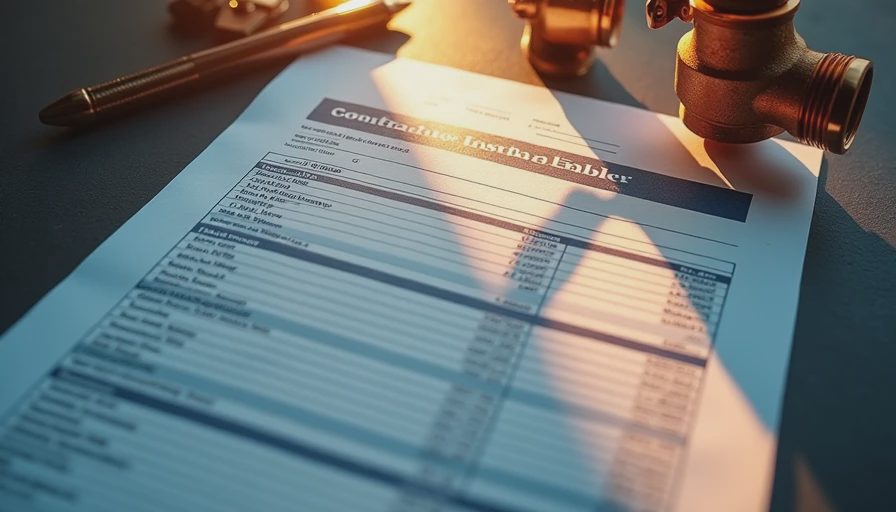
Labor is not just the time spent carrying in a box. The crew may need to drain a heavy tank, remove shelving, protect flooring, modify copper or PEX connections, reroute a vent, install a pan, test combustion, or correct an old installation that does not meet current requirements. A quote that says “install water heater” without describing these tasks leaves too much room for disagreement.
Access deserves special attention. A unit in a garage with a wide door is different from one in a finished attic, narrow closet, or basement reached by stairs. Photograph the route and ask whether drywall removal, framing changes, or extra labor is excluded. If the contractor cannot explain how the replacement will leave the area clean and safe, the quote is not finished.
Permits and inspections should be identified by responsibility. In many jurisdictions, plumbing, gas, or electrical permits can apply. The proposal should say whether the contractor obtains them, pays the fees upfront, and schedules the inspection. Do not assume that a permit is included just because the company is licensed.
Check warranty language and payment terms
Manufacturer warranties commonly cover the tank or major components for a stated period, but labor, service calls, water damage, and improper installation may be handled separately. Ask for the exact warranty length and whether registration is required. A longer warranty can be useful, but it does not automatically justify a large equipment premium.
The contractor’s workmanship warranty should be written independently from the manufacturer warranty. Look for coverage duration, exclusions, and the process for reporting a leak or installation defect. Also check whether the company is insured and whether the name on the quote matches the business entity receiving payment.
For payment, a modest deposit may be reasonable, but demanding the entire balance before installation or inspection creates unnecessary risk. A clean agreement lists the total price, payment milestones, change-order process, permit costs, taxes, equipment model, start date, and cleanup obligations. Financing should show the annual percentage rate and total repayment, not just a monthly amount.
A practical quote comparison method
Put two or three proposals into the same written outline. Compare equipment model and capacity first, then labor scope, code upgrades, permits, warranty, disposal, and final price. If one quote is $1,500 and another is $3,200, do not assume the second company is simply overcharging. It may include a new vent, expansion tank, drain pan, electrical work, or attic access that the first contractor excluded.
For water heater replacement, ask each bidder the same questions: What failed? What exact model is proposed? What existing components remain? What code work is required? Who obtains permits? What happens if concealed damage appears? When is the final payment due? Written answers make comparison possible and expose vague scope.
A useful example is a $2,100 tank proposal that excludes a $350 permit and $600 vent modification. A $2,750 proposal that includes both may be the better value, even before considering cleanup or warranty coverage. Price only becomes meaningful after the scope is equal.
When to approve the work
Approve the project when the diagnosis makes sense, the model is specified, the installation scope is complete, and the payment terms do not depend on verbal promises. If the unit is actively leaking, shut off its fuel or power as appropriate, close the water supply, and call a qualified professional promptly. Do not remove safety controls or attempt gas work without the required expertise.
The best water heater replacement decision is usually the least dramatic one: a documented diagnosis, a comparable quote, and no surprise add-ons. Take photographs, save the proposal and model information, and keep the permit and warranty records. That small file can make future service easier and gives you leverage if the installation does not match the contract.
If a contractor refuses to identify the equipment, pressures you to sign immediately, or dismisses questions about venting, electrical load, or permits, pause before authorizing water heater replacement. A reliable installer should be able to explain the work in plain English and put the important promises on paper.